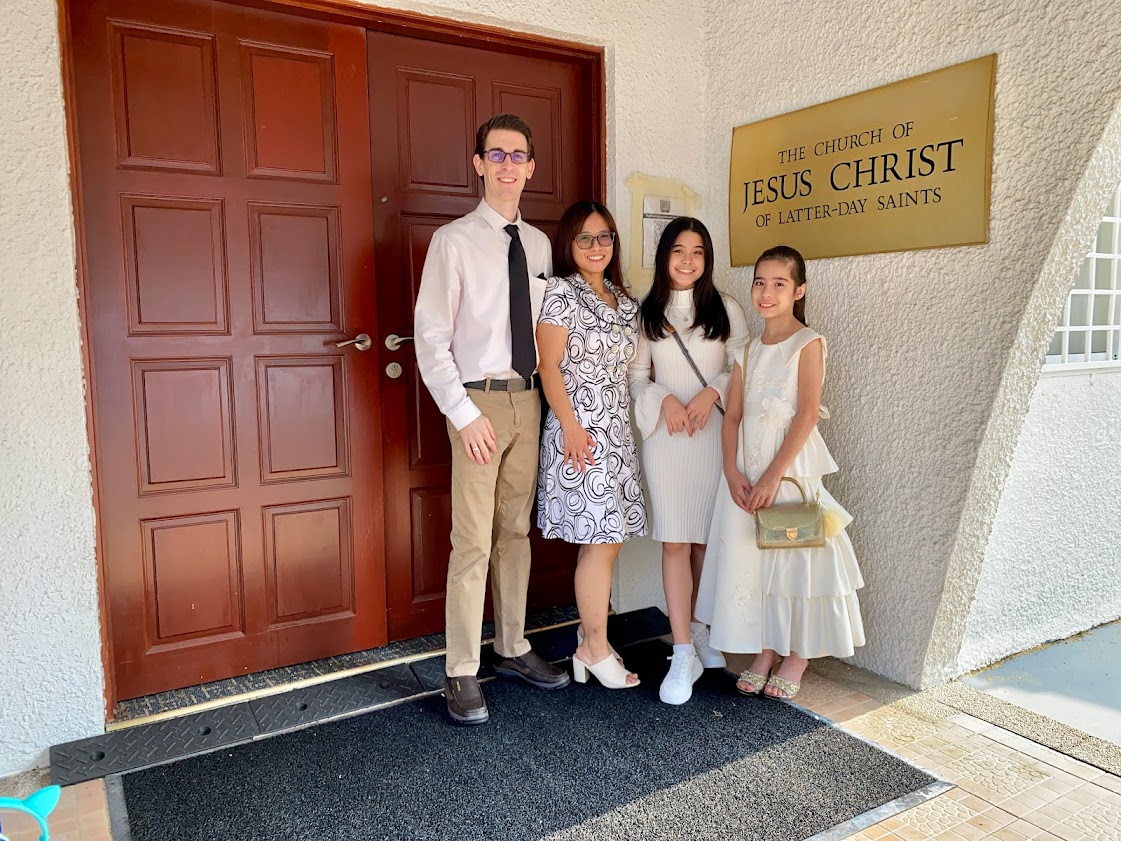
This is one post in an A-Z series of 26 where I am writing about living as a Mormon in the wilderness of Kuantan
Ex-Mormons can be generous, kind, loving, family-oriented, opinionated, idiotic, stubborn, vengeful.
Mormons can be generous, kind, loving, family-oriented, opinionated, idiotic, stubborn, vengeful.
Hope that clears it up.
This is a post stemming from my very first posting here on open-minded-mormon titled Building bridges in interesting times. It's worth reading that post as a little background to this one.
Ex-Mormons, if treated in the right way, can open some valid and insightful discussions and questions regarding the church, its history, and policies. And it's not even left to ex-Mormons to do deep digging. Church members, most notably Kate Kelly, founder of the Ordain Women movement, was excommunicated from the church for preaching her viewpoints which the church perceived to be in opposition to its own stances. Sometimes it takes people like Kate Kelly to cause us to think deeper, to cause changes for the better in the church. Ex-Mormons have quite different perspectives on the church from the typical comfortable member.
While it may be impossible to agree with each other's opinions, we can at least be agreeable in our understanding of and empathy for one another.
Ex-Mormons usually make a firm point of how happy they are after leaving the church, which is probably correct. But it doesn't mean that the happiness I feel in the church is in any way less than theirs.
I don't have to renounce my faith to be happy.
I don't have to leave the church in order to see other perspectives.
I don't have to forfeit my spiritual convictions in order to be open-minded.
I don't have to abandon my beliefs in order to acknowledge and consider mistakes of past or current church leaders.
I don't have to fight against the church collectively just because one person offended me.
From my observation, a lot of ex-Mormons are not necessarily bad people, they have just been perhaps treated harshly or unfairly by certain people in the church; they have been offended by one person's lack of empathy or unkind words or bad example; they have been overburdened with callings and responsibilities; they feel cheated by the church when they learn of proposed mistakes or contradictions in early church leaders or on points of doctrine or practise; they have differing personal opinions to church policy which leaves them marginalized and criticized by the majority.
I think we can show empathy, defend the faith, and do so with increased kindness so that we can build bridges instead of erect walls.


